13 Tiny House Ideas Brilliant Small Living Inspiration
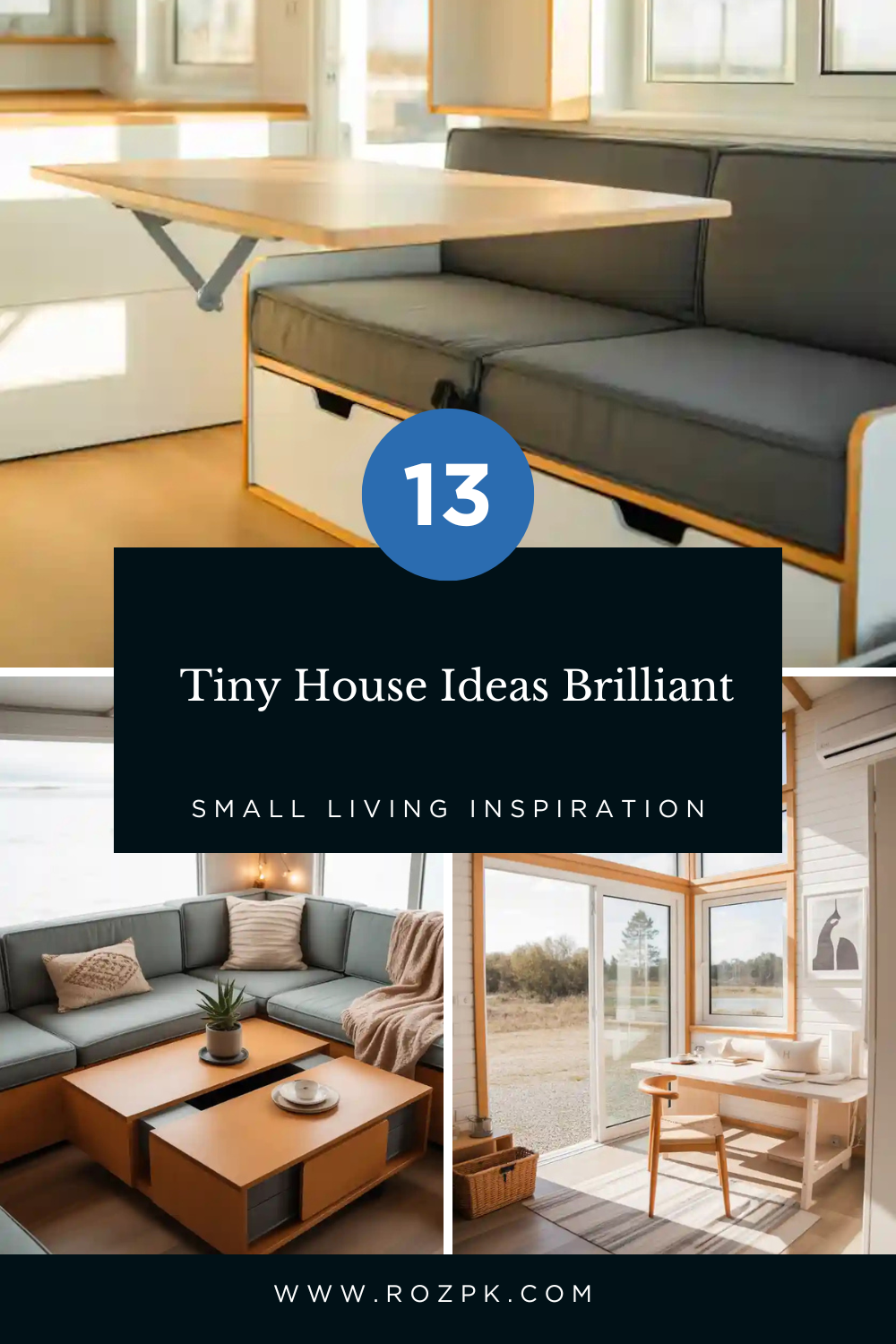
Living in a tiny home proves that great design isn’t about size it’s about smart ideas. Tiny houses have become increasingly popular because they encourage a simpler lifestyle while maximizing every square inch of space. With clever layouts, multifunctional furniture, and thoughtful storage solutions, a tiny home can feel surprisingly spacious and comfortable.
The movement is closely connected to the philosophy of Tiny House Movement, which focuses on living with less while gaining more freedom, sustainability, and creativity. Instead of excess space and clutter, tiny homes prioritize intentional design and efficient use of every corner.
1. Loft Bedrooms That Maximize Vertical Space
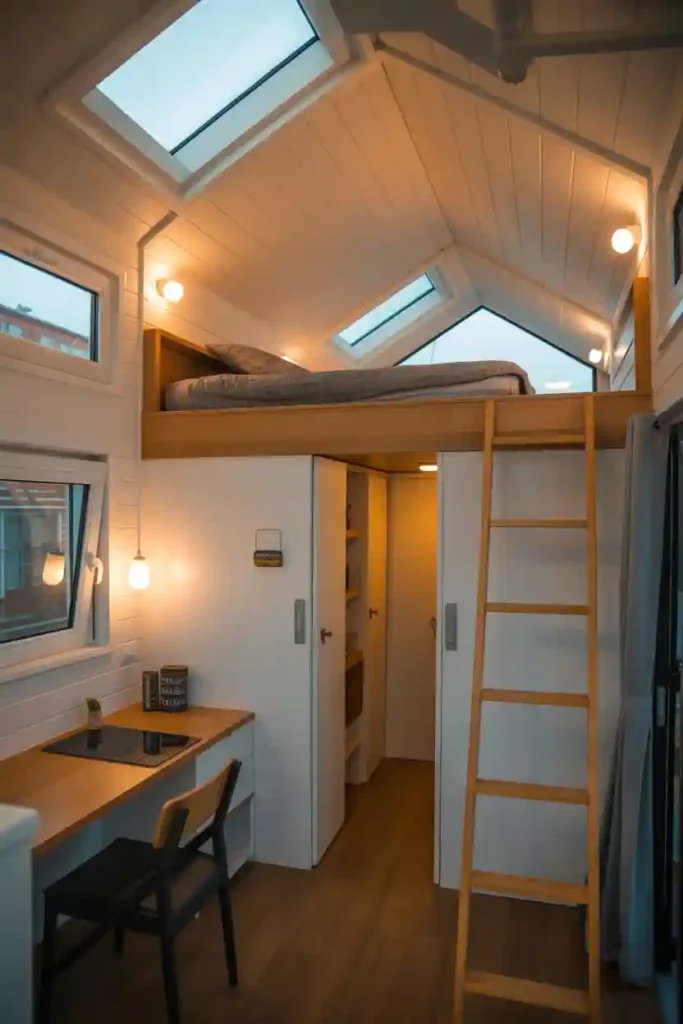
One of the smartest design strategies in tiny homes is using vertical space, and loft bedrooms are a perfect example. Instead of dedicating valuable floor space to a bedroom, a loft allows the sleeping area to sit above the main living area. A loft bedroom instantly opens up the lower level for a living room, kitchen, or workspace. This layout creates a natural separation between relaxing, cooking, and sleeping zones even in a compact home.
2. Foldable and Transforming Furniture
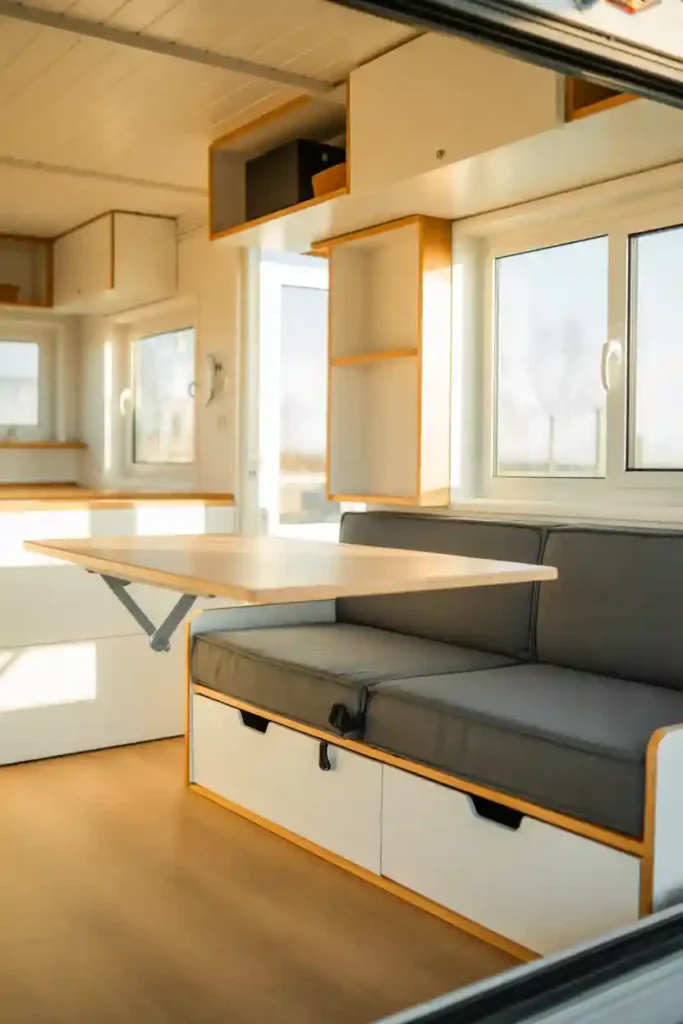
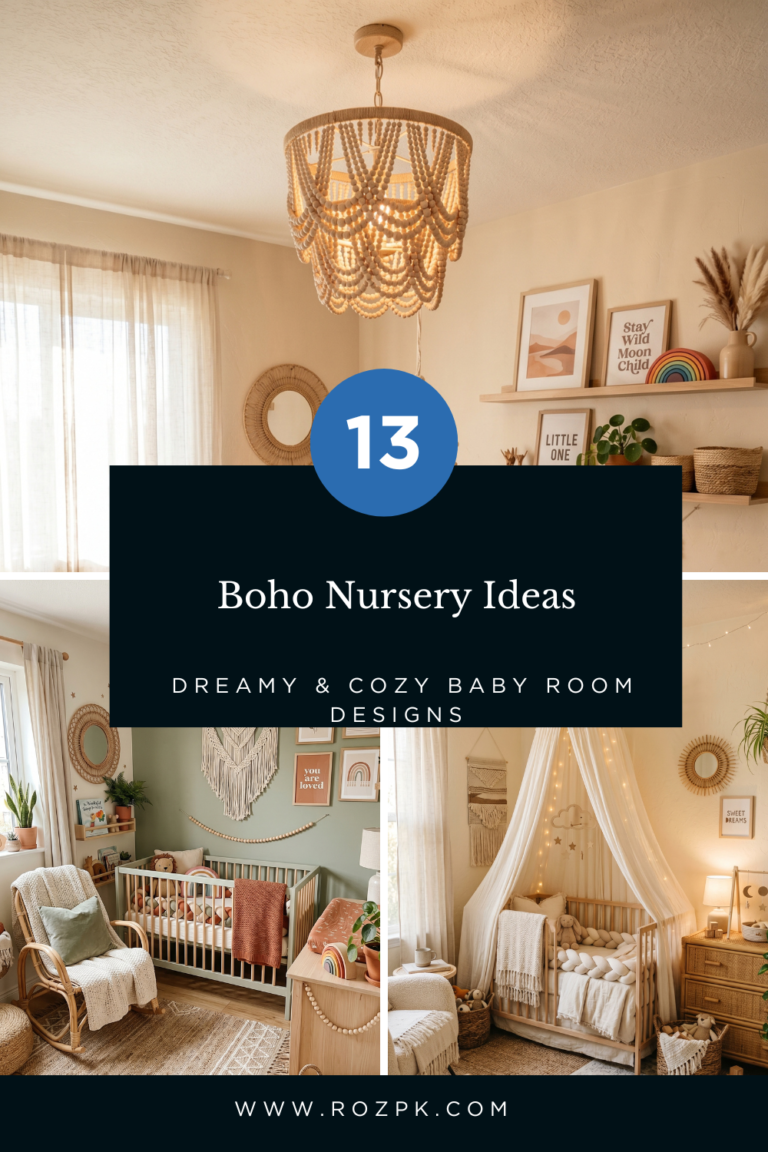
In tiny homes, furniture should serve multiple purposes whenever possible. Foldable and transforming furniture allows a small space to adapt throughout the day. A fold-down dining table can be mounted to a wall and tucked away when not in use. Sofa beds can convert a living room into a guest sleeping area. Folding desks can create a temporary home office without taking permanent space. Murphy beds are especially popular because they disappear into the wall during the day, instantly freeing up floor space.
3. Built-In Storage Everywhere
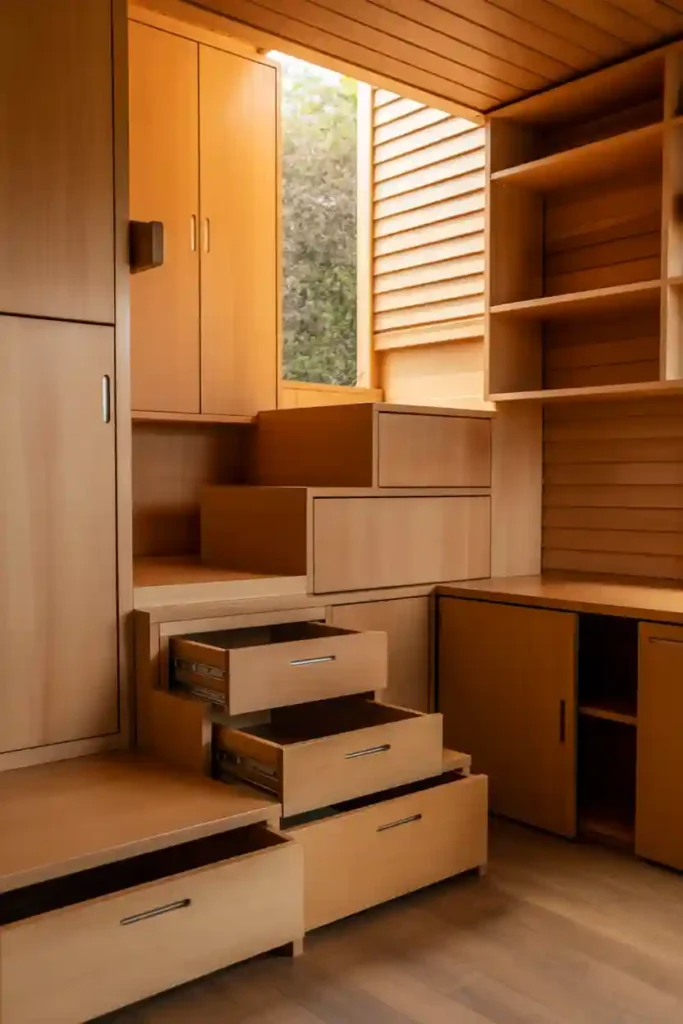
Tiny homes thrive on built-in storage solutions that eliminate wasted space. Instead of bulky standalone furniture, built-in cabinets and shelves can be designed to fit perfectly into walls, stairs, and corners. For example, stairs leading to a loft can double as pull-out drawers. Benches can open to reveal hidden storage compartments. Walls can include narrow shelving units that hold books, plants, and decor. Under-bed storage is another valuable option, especially when combined with sliding drawers or lift-up platforms.
4. Large Windows for an Open Feel

One of the best ways to make a tiny house feel bigger is by adding large windows and plenty of natural light. Wide windows blur the boundary between indoors and outdoors, making the interior feel more spacious. Views of trees, gardens, or landscapes create a sense of openness that expands the visual space. Floor-to-ceiling windows are especially effective in living areas, while skylights work beautifully in lofts and bathrooms.
5. Compact Kitchen With Smart Layout
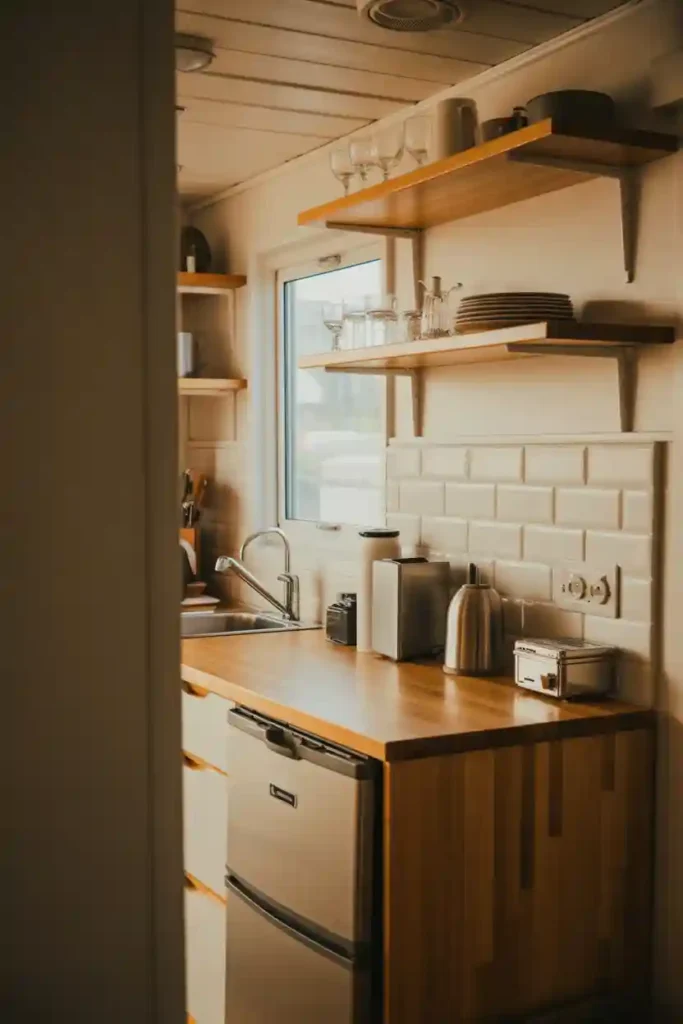
A tiny house kitchen can still be incredibly functional with a well-planned layout. Choose compact appliances like a small refrigerator, two-burner stove, and slim dishwasher. Open shelves instead of bulky cabinets help keep the space feeling light and accessible. Vertical storage is especially important in tiny kitchens. Hanging racks, magnetic knife strips, and wall-mounted spice shelves keep essentials within reach without cluttering countertops.
See Also: 15 DIY Alice In Wonderland Decorations Magical Party Ideas You’ll Love
6. Multi-Purpose Living Areas
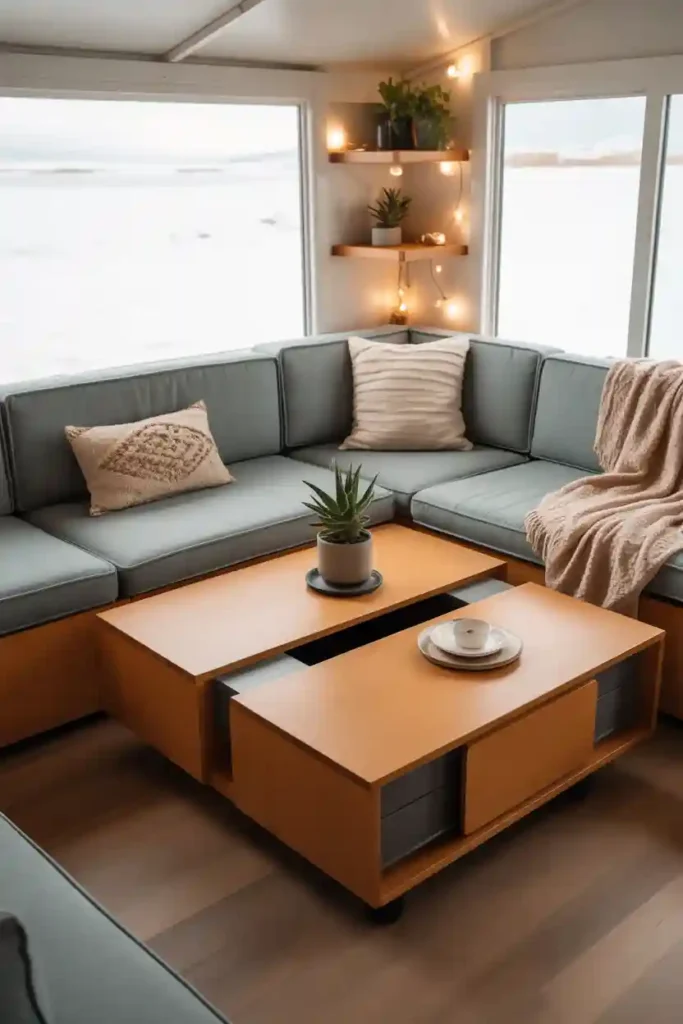
Tiny homes benefit greatly from flexible living spaces that can serve several functions. A single room might act as a living room during the day, dining space in the evening, and guest bedroom at night. Modular furniture and movable pieces make this transformation easy. For example, a coffee table can convert into a dining table, while ottomans with storage can act as seating or footrests.
7. Outdoor Living Extensions
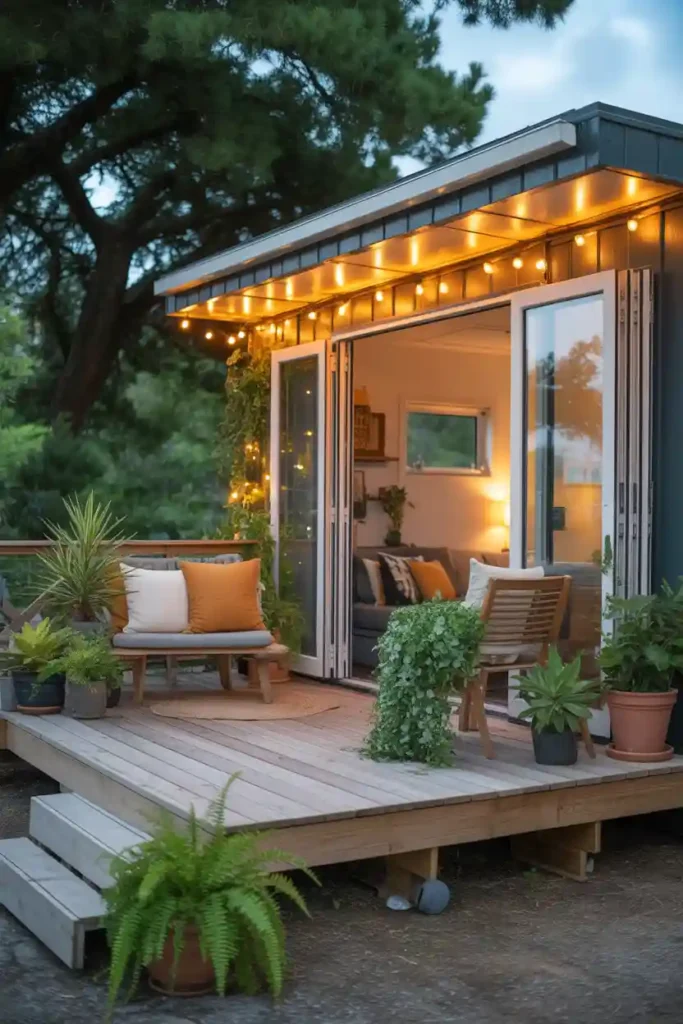
Tiny homes feel much larger when they include outdoor living spaces. A small deck, patio, or balcony can function as an extra room for relaxing, dining, or entertaining guests. String lights, outdoor rugs, and compact furniture help create a cozy extension of the home. Sliding glass doors or large folding doors connect the indoor and outdoor areas seamlessly. Even a small garden with plants or herbs can make the space feel more peaceful and inviting.
8. Minimalist Interior Design
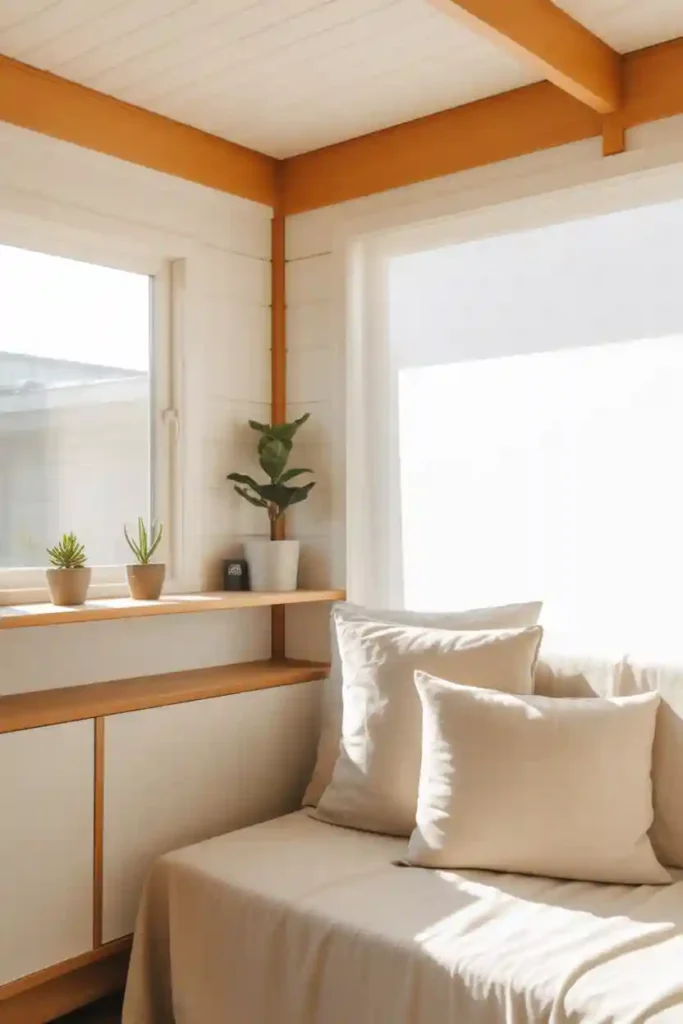
Minimalism works perfectly in tiny houses because it keeps the space calm and uncluttered. Focus on essential furniture pieces and avoid overcrowding rooms with decor. Neutral colors like white, beige, and soft gray help reflect light and make the home feel larger. Natural materials such as wood, linen, and cotton add warmth without visual heaviness. Decor can still play a role, but it should be intentional a few plants, framed artwork, or textured pillows can create personality without clutter.
9. Sliding Doors Instead of Swing Doors
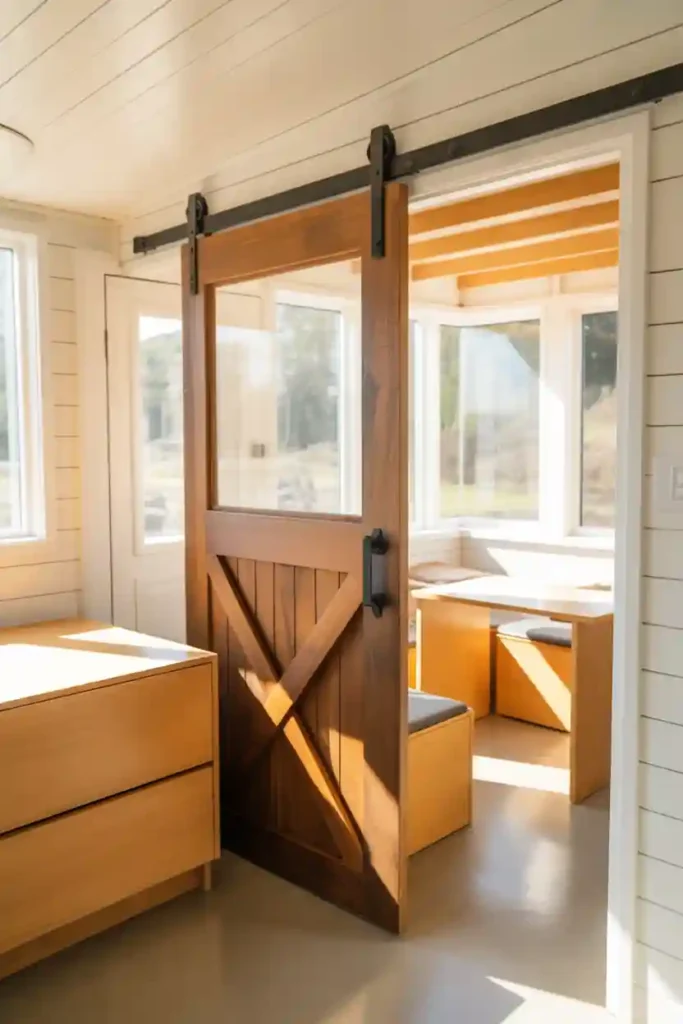
Traditional swing doors take up valuable floor space in small homes. Sliding doors are a smarter alternative for tiny houses. Barn-style sliding doors or pocket doors move along the wall instead of opening outward, freeing up space for furniture and movement. These doors also add a stylish architectural element to the home. Wood barn doors create a rustic feel, while frosted glass sliding doors offer a modern aesthetic. They work especially well for bathrooms, closets, and bedrooms where privacy is needed but space is limited.
10. Clever Bathroom Layouts
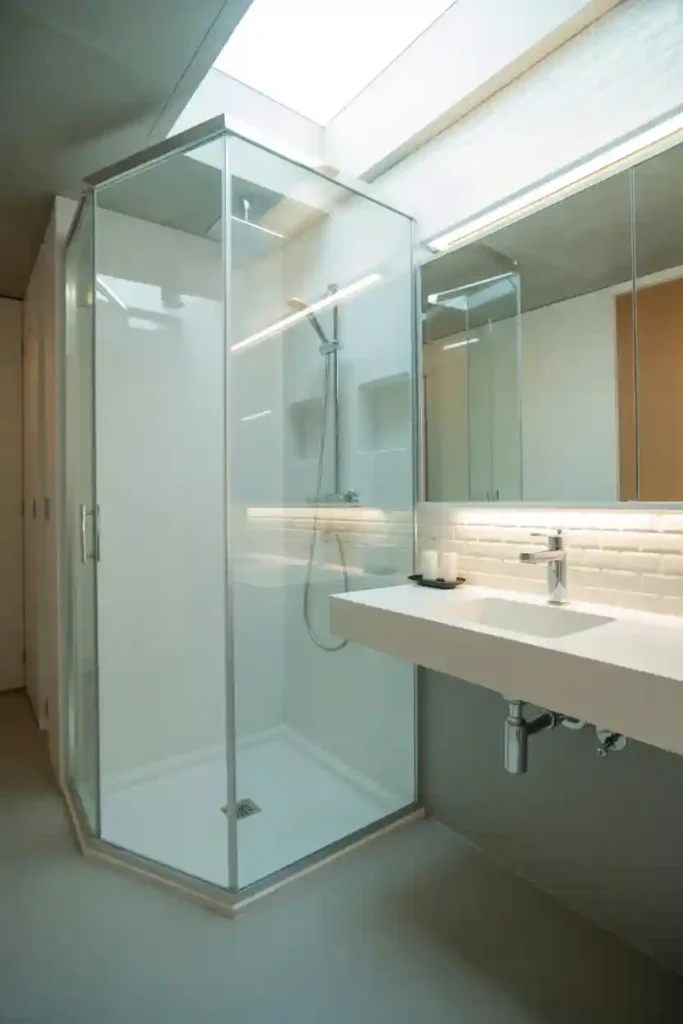
Tiny house bathrooms require creative thinking to balance functionality and comfort. Corner sinks, compact toilets, and small walk-in showers help maximize the available space. Glass shower panels are particularly effective because they maintain visual openness. Wall-mounted storage shelves and recessed niches provide space for toiletries without crowding the room. Light colors, mirrors, and good lighting can make the bathroom feel much larger than it actually is.
11. Smart Lighting Layers
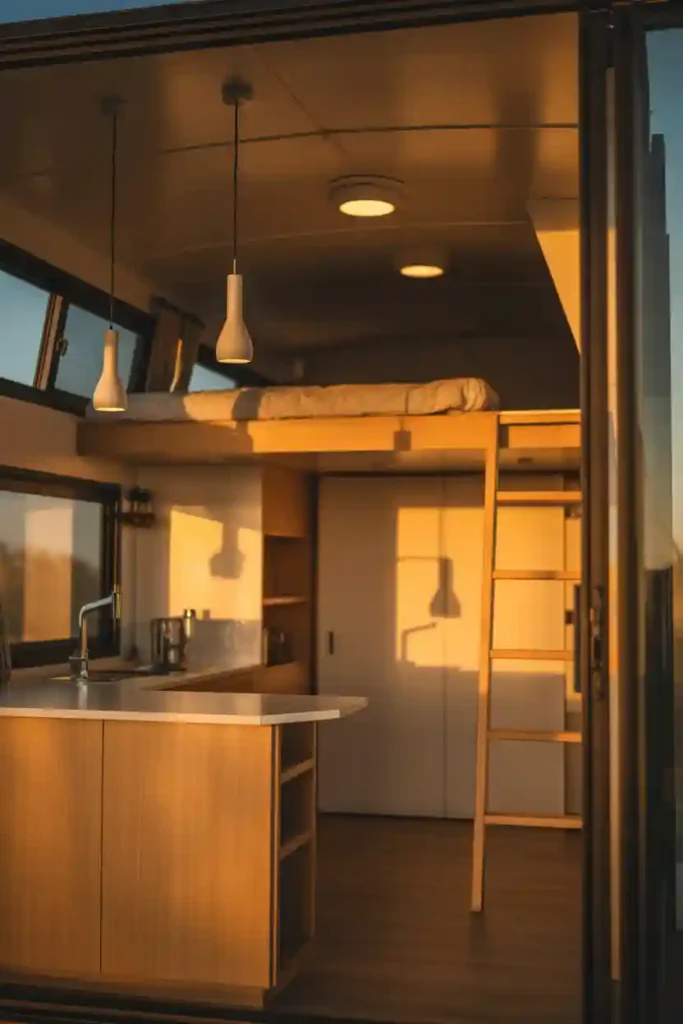
Lighting plays a huge role in making small homes feel comfortable. Use a combination of ambient, task, and accent lighting to create depth and warmth throughout the home. Ceiling lights provide general illumination, while under-cabinet lights help with kitchen tasks. Wall sconces and pendant lights add decorative style while saving surface space.
12. Light Color Palettes
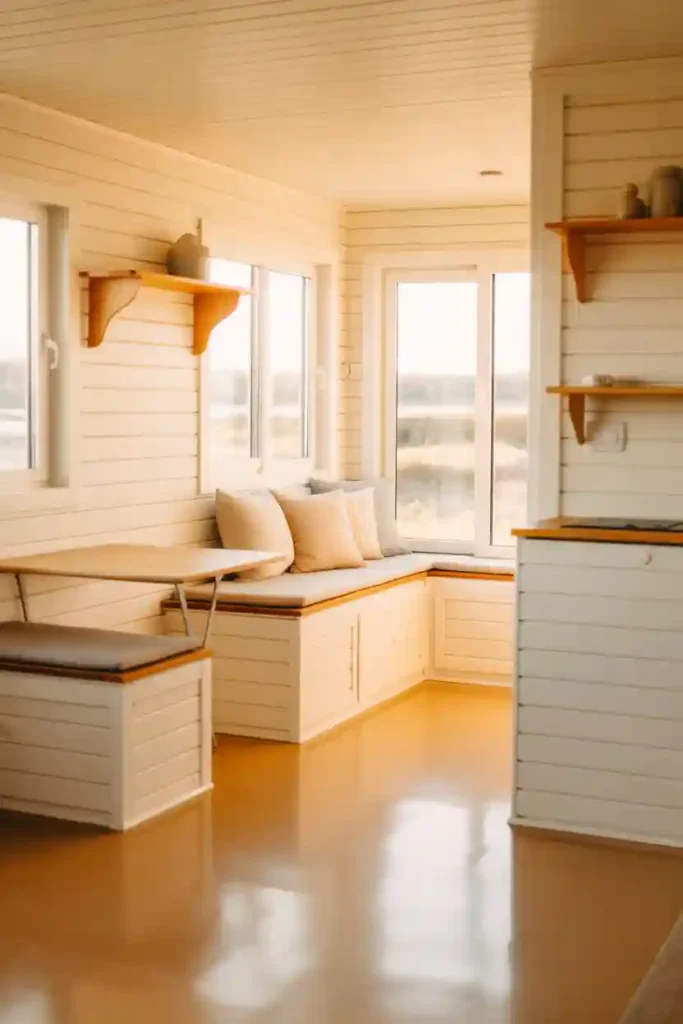
Color choices can dramatically influence how spacious a tiny home feels. Light shades such as white, cream, pale gray, and soft pastels reflect light and create an airy atmosphere. These colors visually expand the room and prevent the space from feeling cramped. You can still add contrast through darker furniture, wood accents, or colorful decor pieces.
13. Hidden Storage Under Everything

One of the best secrets of tiny house design is hidden storage everywhere. Beds can lift to reveal large compartments underneath. Sofas can include drawers for blankets and pillows. Even floors can hide storage panels for rarely used items. Kitchen toe-kicks can contain narrow drawers, while wall panels can conceal cabinets.
Final Words
Tiny homes prove that great living doesn’t depend on square footage it depends on smart design and thoughtful choices. Inspired by the philosophy of the Tiny House Movement, small homes focus on efficiency, simplicity, and intentional living. Every corner, wall, and piece of furniture has a purpose, helping homeowners enjoy a space that feels both practical and beautiful.