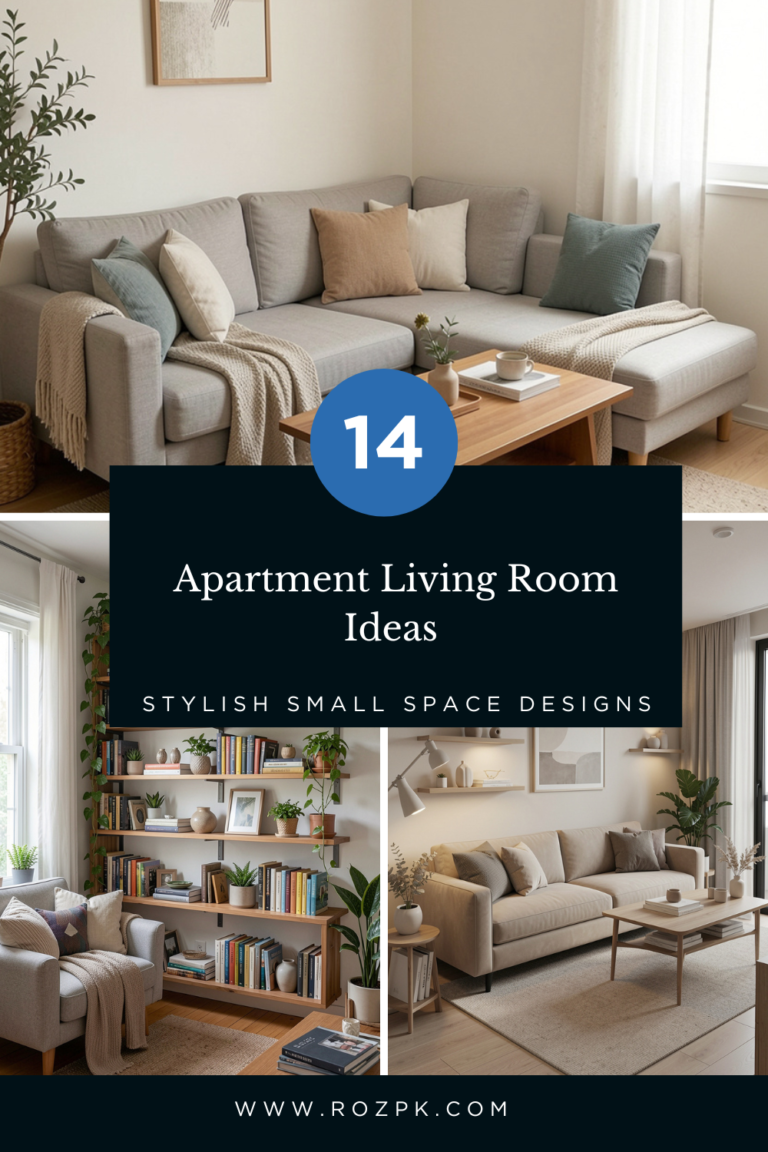
13 Minimalist Living Room Ideas Clean & Elegant Spaces
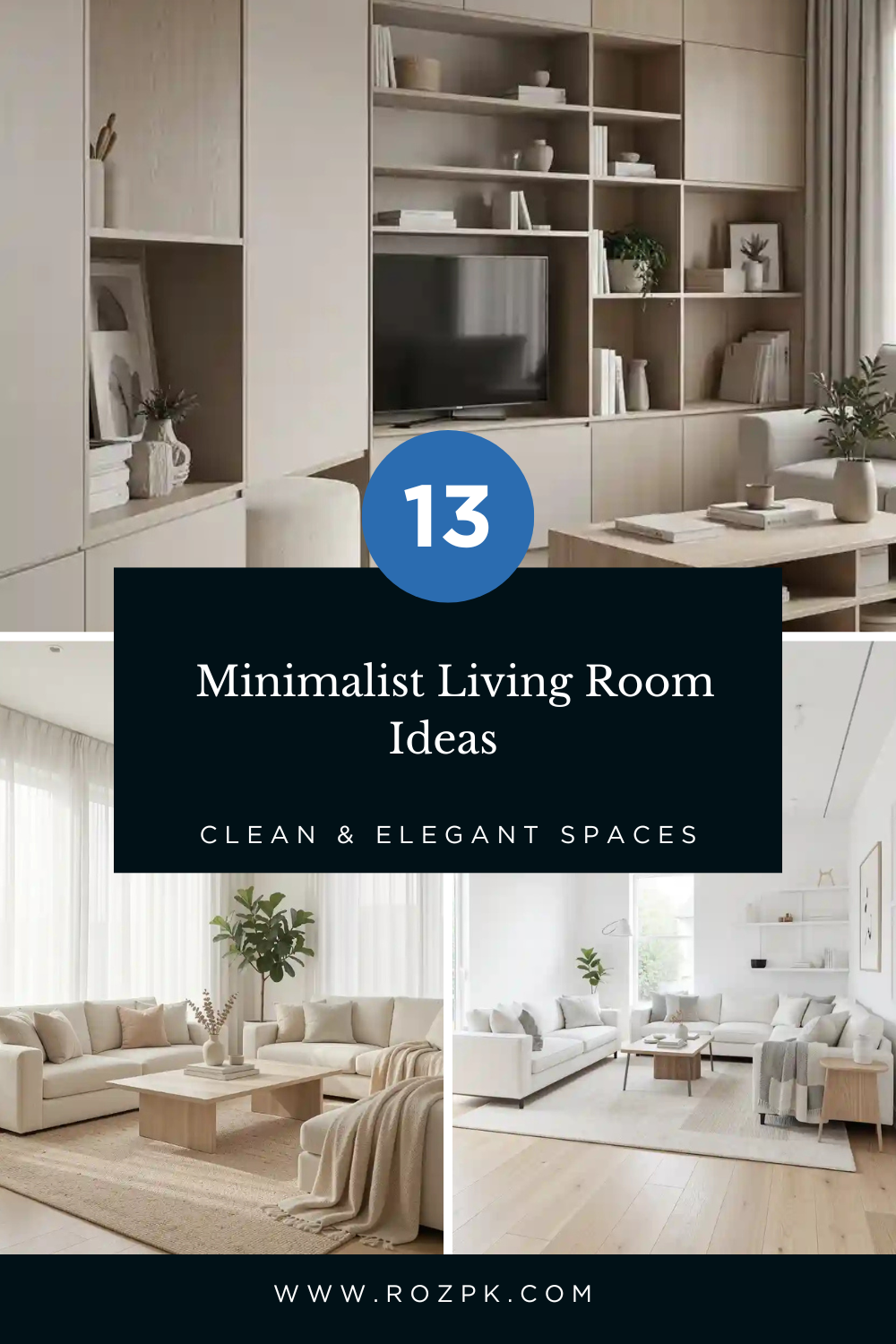
A minimalist living room is more than just a design choice it’s a lifestyle that prioritizes simplicity, functionality, and calm. In today’s fast-paced world, creating a clean and elegant space where you can relax and recharge has never been more important. Minimalist design focuses on reducing clutter, using intentional décor, and embracing a neutral color palette that promotes a sense of balance and harmony.
Every piece in the room has a purpose, and nothing feels excessive or out of place. Whether you prefer a modern, Scandinavian, or soft contemporary style, minimalist living rooms can be tailored to suit your taste while maintaining a serene atmosphere. In this guide, you’ll discover 13 minimalist living room ideas that combine clean lines with elegant details. These ideas will help you create a space that feels open, airy, and effortlessly stylish without sacrificing comfort or personality.
1. Neutral Color Palette Foundation
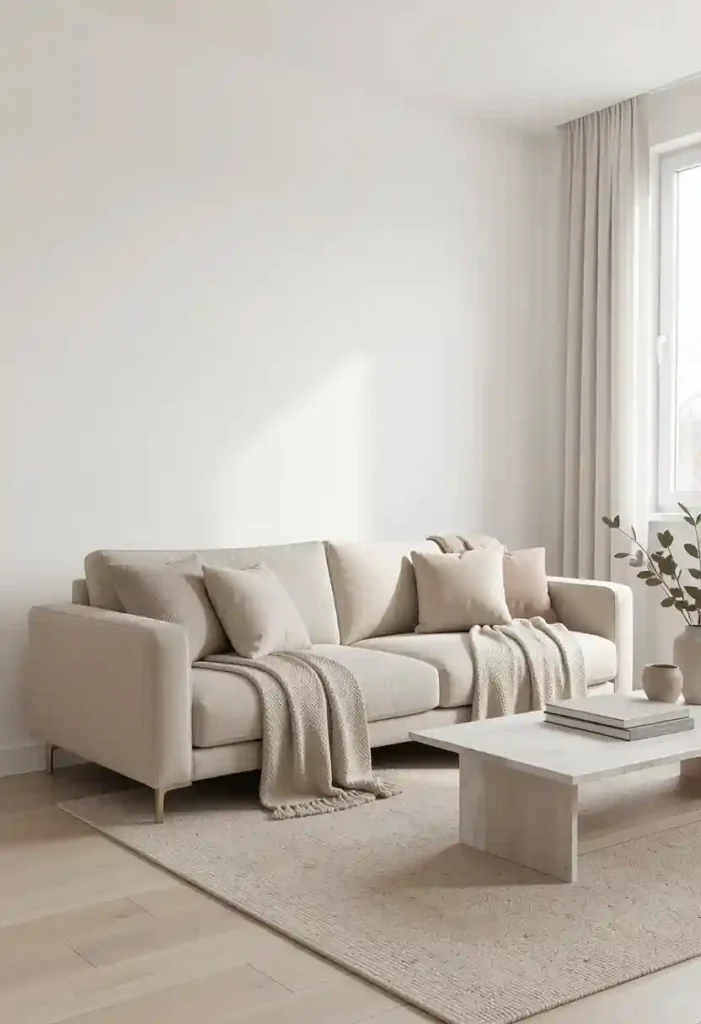
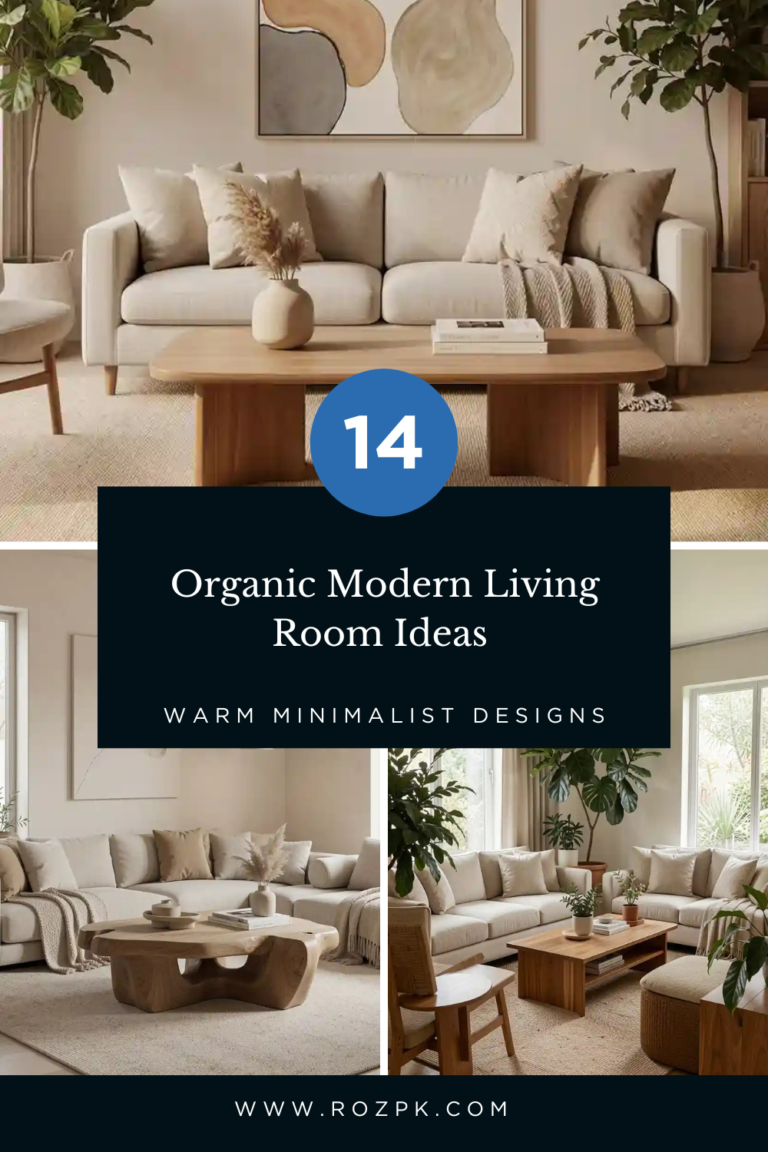
A neutral color palette is the cornerstone of any minimalist living room. Shades like white, beige, soft gray, and warm taupe create a calming base that instantly makes the space feel open and uncluttered. By limiting your color scheme, you allow the room to breathe and avoid visual chaos. Walls, furniture, and large décor pieces should stay within this palette to maintain cohesion. You can introduce subtle contrast through textures rather than bold colors think linen sofas, wool rugs, and matte finishes. This adds depth without overwhelming the space.
2. Decluttered and Intentional Layout
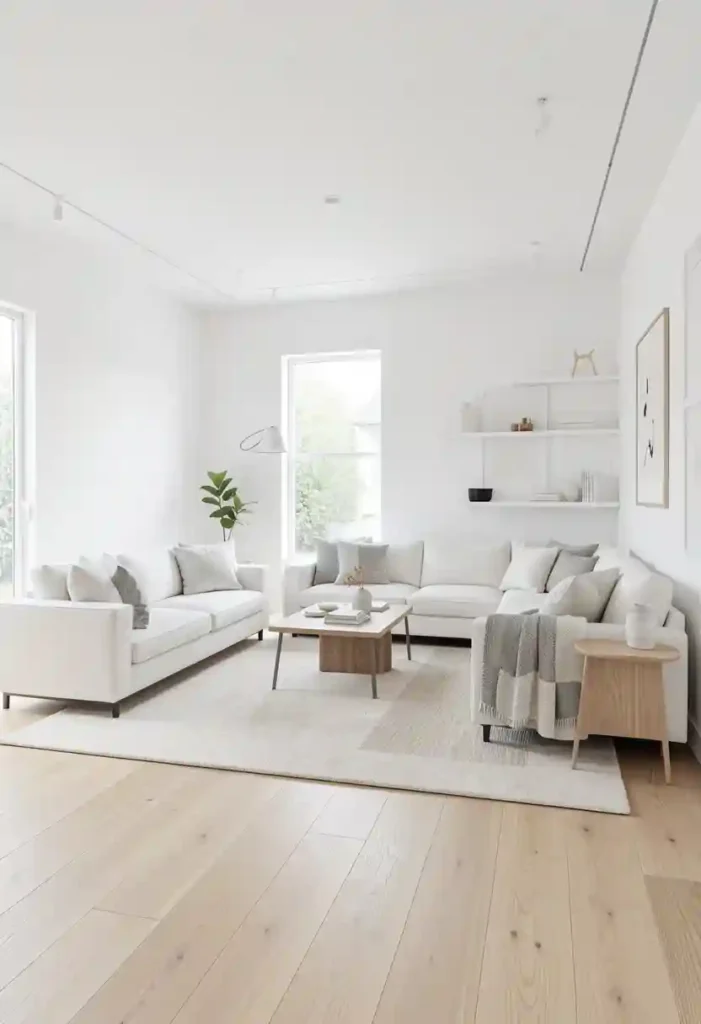
Minimalism thrives on simplicity, and that begins with a decluttered layout. Remove unnecessary furniture and décor, keeping only what truly serves a purpose. This creates a sense of openness and allows each piece to stand out. Arrange furniture with intention, ensuring there is enough breathing space between items. Avoid overcrowding the room, as this disrupts the clean aesthetic. Focus on functionality and comfort when choosing what to include.
3. Low-Profile Furniture
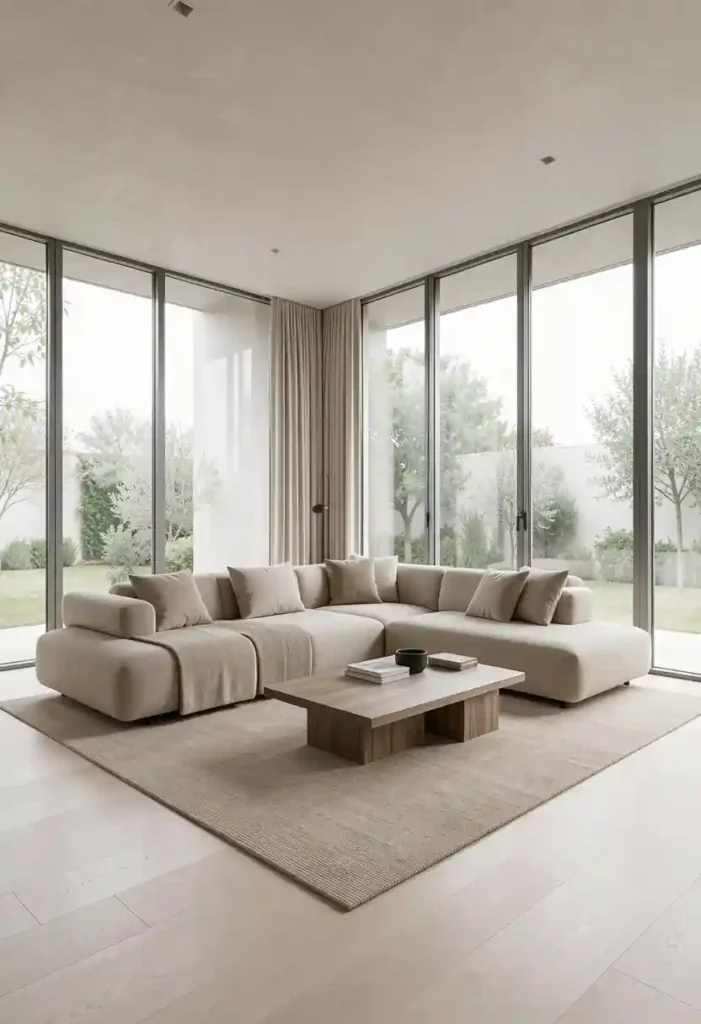
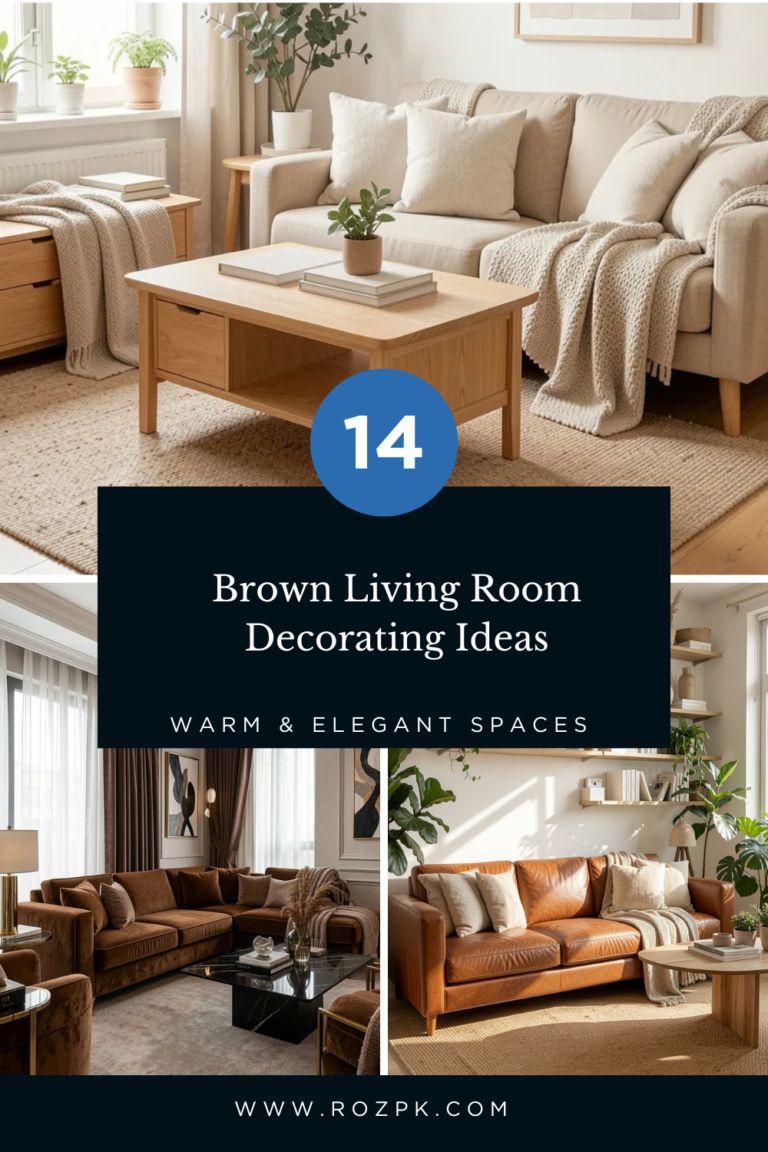
Low-profile furniture is a signature element of minimalist design. Sofas, coffee tables, and chairs with lower heights create a grounded and spacious feel, making ceilings appear higher. Choose pieces with simple silhouettes and clean lines. Avoid bulky or overly ornate designs that can disrupt the minimalist aesthetic. Materials like wood, metal, and neutral upholstery work best. This style of furniture enhances the flow of the room and contributes to a calm, uncluttered environment. It also works well in both small and large spaces.
See Also: 12 Built In Shelves Living Room Ideas Smart Storage & Style
4. Statement Lighting Fixture
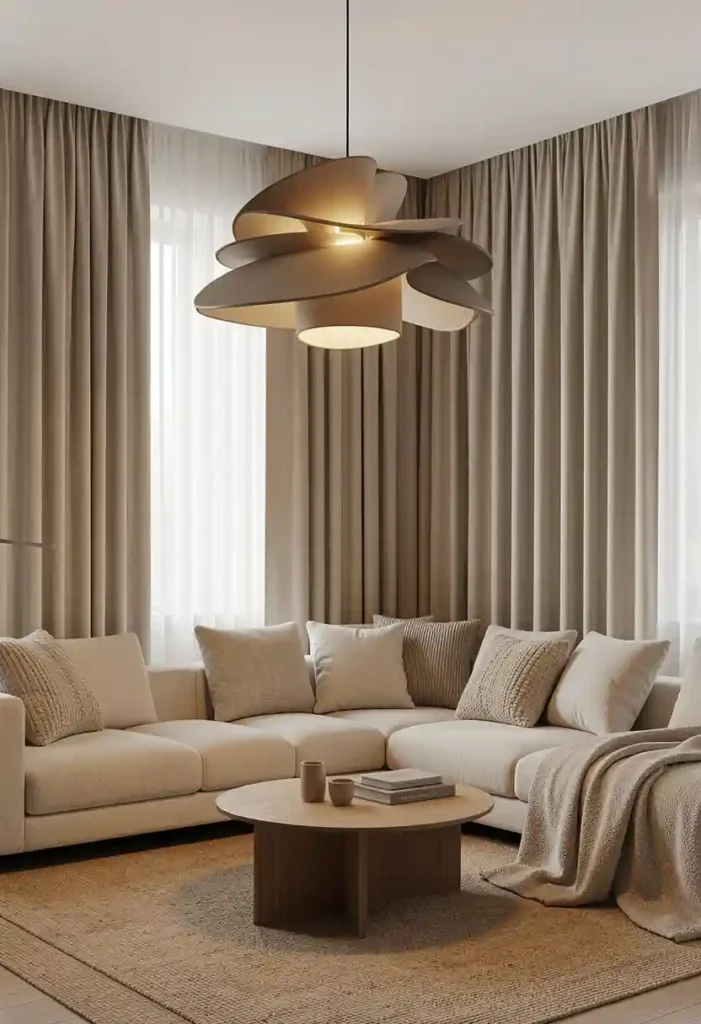
In a minimalist living room, less décor means each element should have impact. A statement lighting fixture can serve as a focal point while maintaining simplicity. Choose a design with clean lines and a sculptural quality. Pendant lights, floor lamps, or chandeliers with minimalist forms work beautifully. Stick to neutral or metallic finishes for a cohesive look. The lighting should enhance the room without overpowering it. Soft, warm light adds to the inviting atmosphere.
5. Hidden Storage Solutions
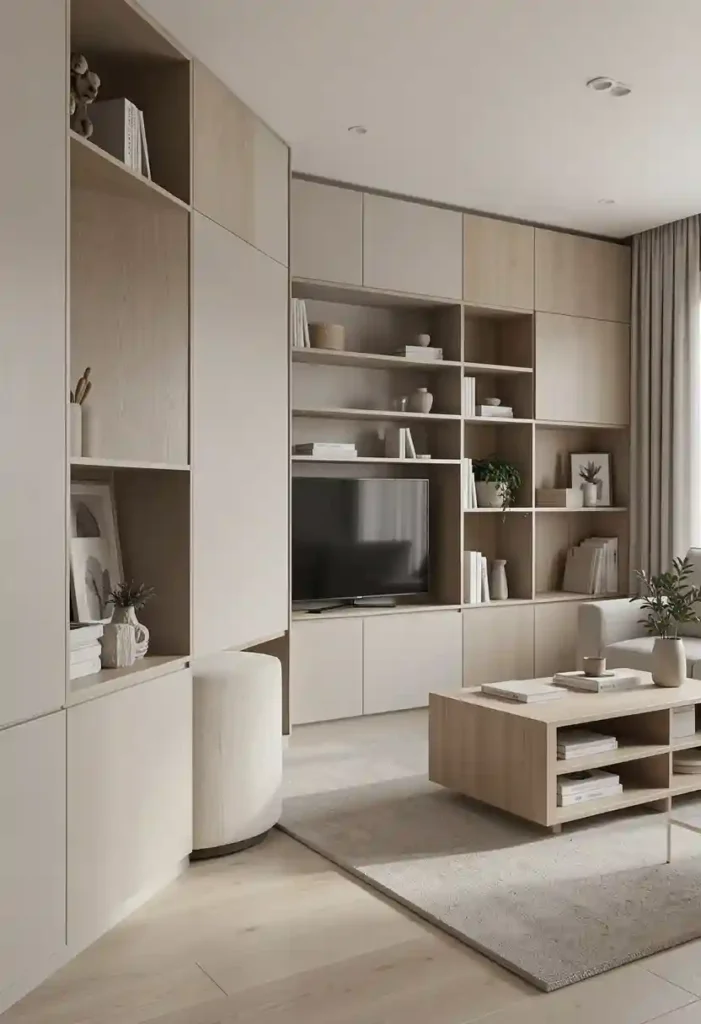
Hidden storage is essential for maintaining a clean and clutter-free living room. Built-in cabinets, storage benches, and concealed compartments keep items out of sight. Choose furniture that doubles as storage, such as coffee tables with hidden compartments. This allows you to keep essentials nearby without disrupting the aesthetic. Keeping surfaces clear enhances the minimalist look and makes the space feel more open.
6. Textured Fabrics for Warmth
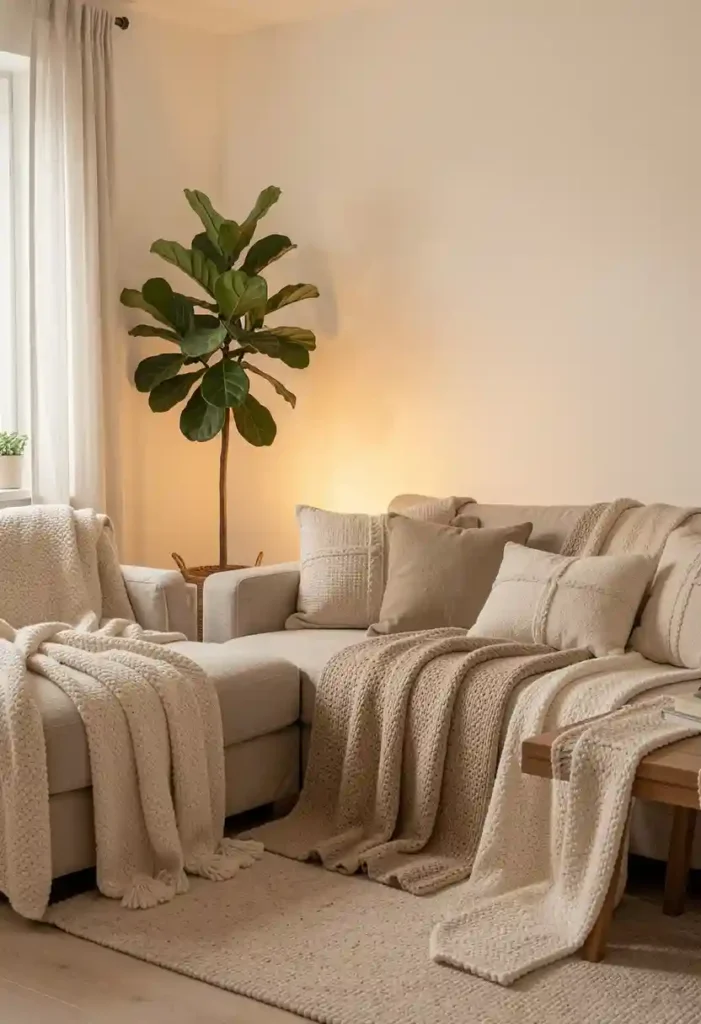
Minimalist spaces can sometimes feel cold, but textured fabrics add warmth and comfort. Incorporate materials like linen, cotton, wool, and boucle. Use throw blankets, cushions, and rugs to introduce softness without adding clutter. Stick to neutral tones to maintain cohesion. Layering textures creates depth and makes the room feel inviting while keeping the design simple. This balance between minimalism and comfort is key to creating a livable space.
7. Minimal Wall Art
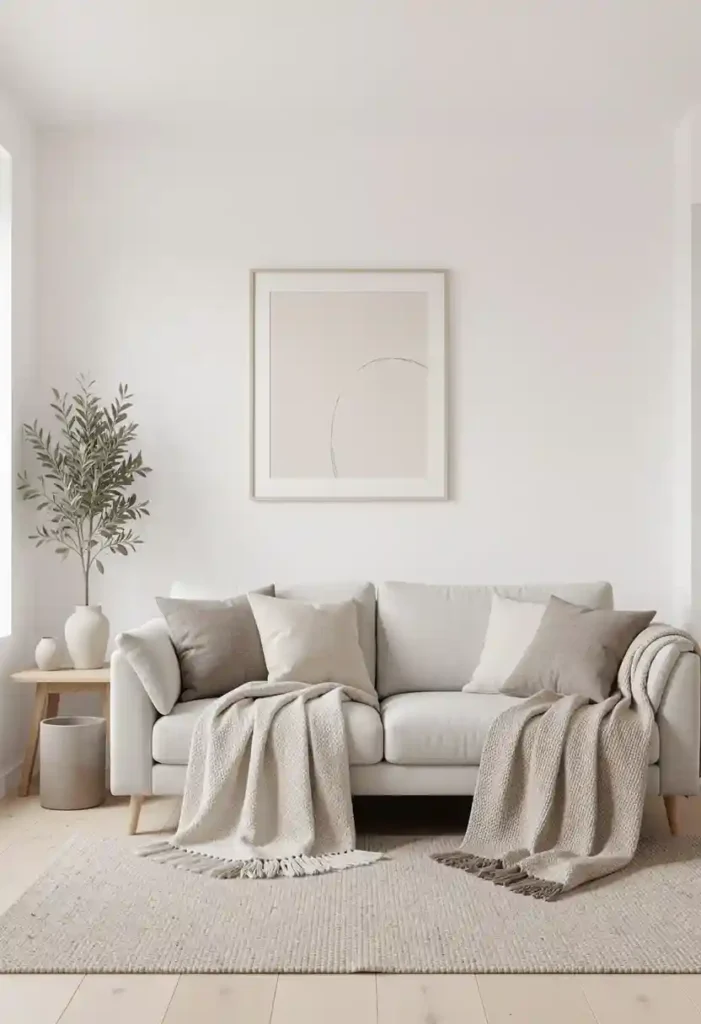
Wall art in a minimalist living room should be simple and intentional. Choose one or two pieces that complement the overall design. Abstract art, black-and-white photography, or subtle line drawings work well. Avoid overcrowding walls with multiple frames. Position artwork strategically to create balance and visual interest. Minimal wall art enhances the space without overwhelming it.
8. Natural Elements and Greenery
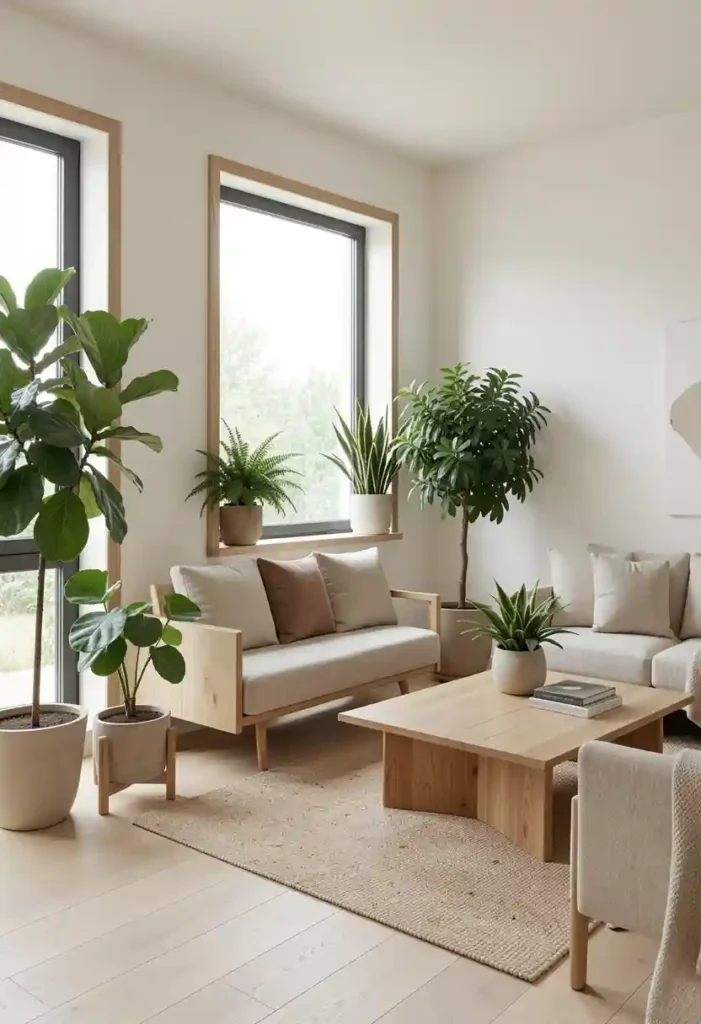
Bringing nature indoors adds life and freshness to a minimalist living room. Plants introduce color and texture while maintaining simplicity. Choose easy-to-care-for plants like snake plants or fiddle leaf figs. Use simple pots in neutral tones. Natural materials like wood and stone can also enhance the organic feel. These elements create a calming and balanced environment.
9. Open Space and Airy Layout
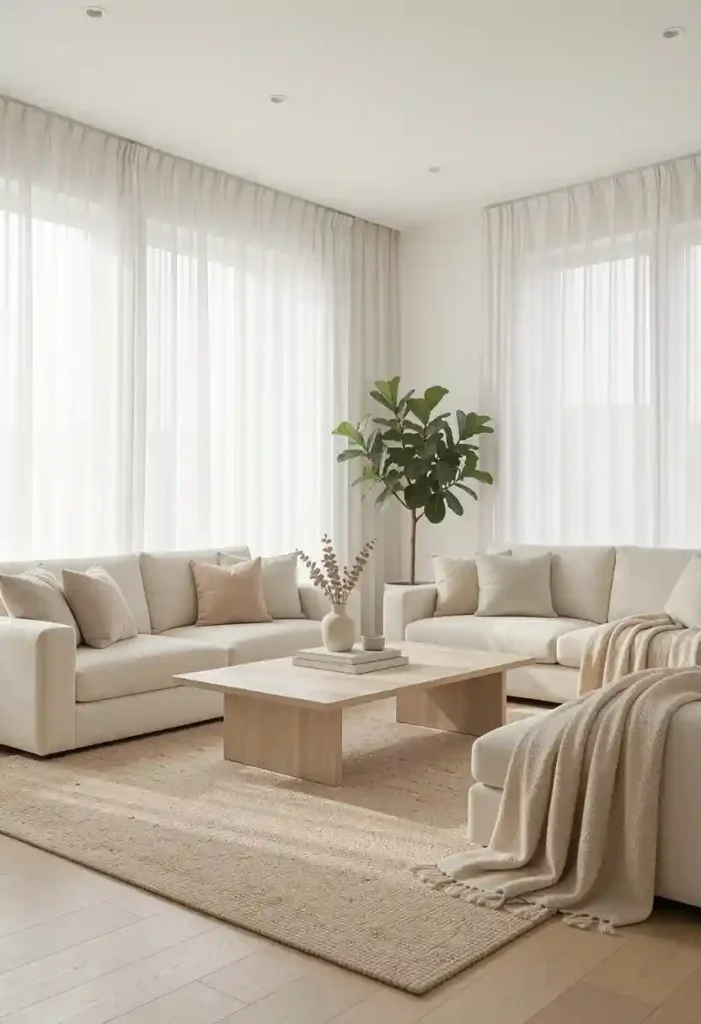
An open and airy layout is essential for minimalist design. Avoid filling every corner with furniture or décor. Allow negative space to play a role in the design. This creates a sense of freedom and calm. Large windows and light curtains can enhance the feeling of openness. An airy layout makes the room feel larger and more relaxing.
10. Monochromatic Color Scheme
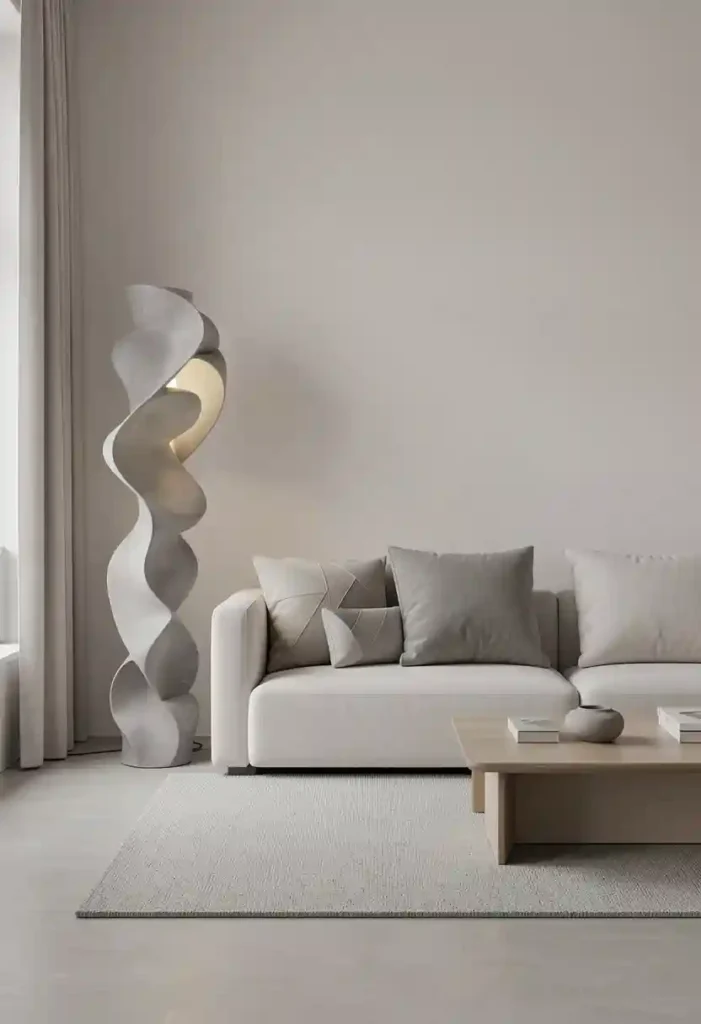
A monochromatic scheme uses varying shades of a single color to create a cohesive look. This approach adds depth while maintaining simplicity. Layer different tones through furniture, textiles, and décor. This keeps the design interesting without introducing too many colors. Monochromatic palettes are elegant and timeless. They help maintain a calm and unified aesthetic.
11. Sleek Coffee Table Styling
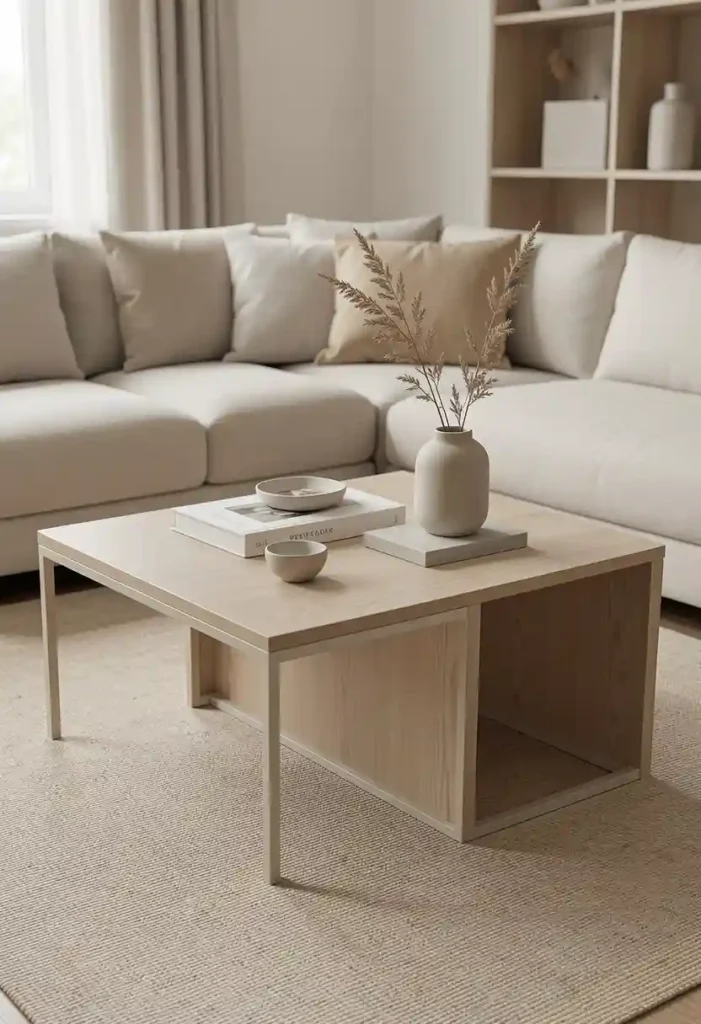
A minimalist coffee table should be both functional and stylish. Keep décor to a minimum perhaps a book, a candle, or a small plant. Choose a table with clean lines and a simple design. Avoid cluttering the surface. Thoughtful styling enhances the overall aesthetic. It creates a focal point without overwhelming the space.
12. Subtle Accent Pieces
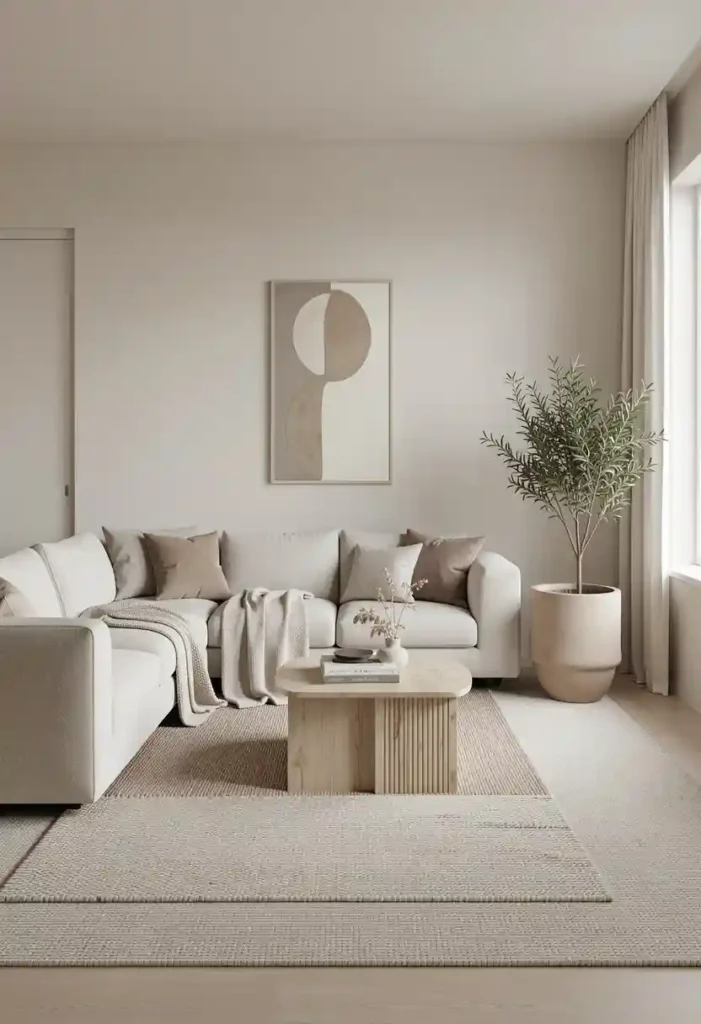
Accent pieces in a minimalist living room should be understated. Choose items that add interest without dominating the space. This could include a sculptural vase, a textured rug, or a unique lamp. Keep the number of accents limited to maintain simplicity. Subtle details can elevate the overall design.
13. Clean Lines and Simple Forms
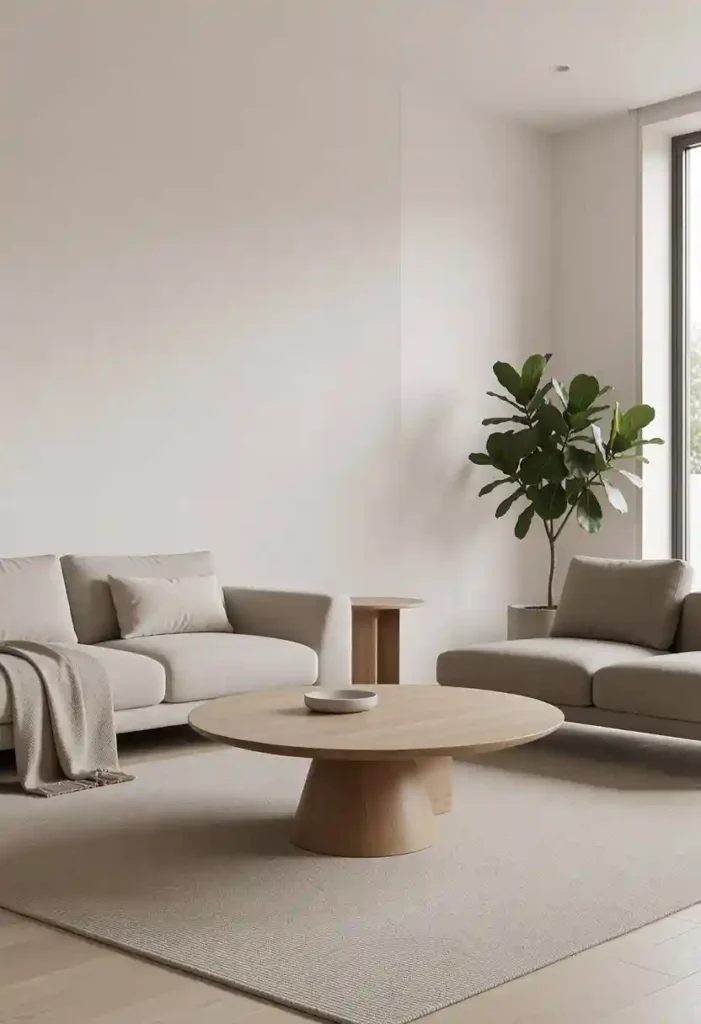
Clean lines and simple forms define minimalist design. Furniture and décor should have straightforward shapes without excessive detailing. This creates a cohesive and harmonious look. Avoid ornate designs that disrupt the simplicity. Focus on quality over quantity. Clean lines ensure a timeless and elegant living room.
Final Words
A minimalist living room is all about creating a space that feels calm, intentional, and effortlessly elegant. By focusing on simplicity, clean lines, and thoughtful design choices, you can transform your living area into a place that promotes relaxation and clarity. The key is not to remove everything, but to keep what truly adds value—both functionally and visually.